Merry Christmas House Embroidery Files Review
As a professional embroidery designer who has spent years translating digital concepts into tangible, high-quality brand identity, I approach every new machine embroidery design with a critical eye. When evaluating assets for small business merch, the goal is never just decoration; it is about creating a cohesive visual language that builds customer trust and elevates product value. Recently, I reviewed the Merry Christmas House Embroidery Files, a digital asset promising to bring creative projects to life. My objective was to determine if this specific design holds up under the scrutiny of commercial production for patches, uniforms, and branded goods.
First Impressions: Visual Personality and Brand Fit
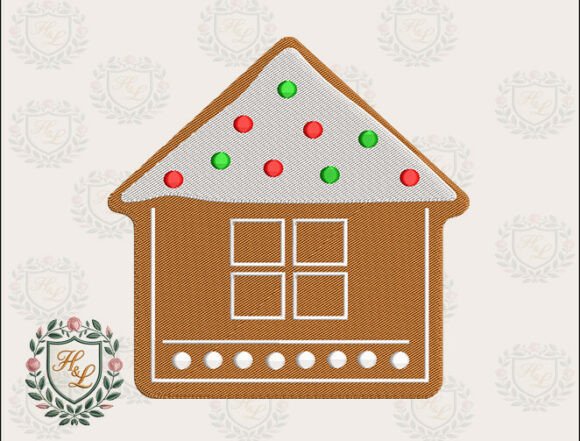
The initial look at the Merry Christmas House Embroidery Files suggests a design rooted in classic holiday warmth. The imagery of a house during the Christmas season immediately evokes feelings of home, comfort, and community. For a small business, particularly those in the handmade, bakery, or boutique sectors, this aesthetic is powerful. It feels less like a corporate logo and more like an invitation. However, the transition from a "cute" image to a professional embroidered patch requires careful consideration.
In the context of commercial embroidery, the design needs to strike a balance between playful and premium. If the lines are too thin or the details too intricate, the finished product can appear muddy on fabric. Conversely, if the design is bold and clean, it becomes a versatile asset for custom apparel. The description highlights its suitability for shirts, tote bags, and pillows, which indicates a scalable structure. Yet, as a designer, I always verify if the "high-quality" claim translates to efficient stitching paths that minimize thread breaks and maximize clarity on textured fabrics.
Evaluating Performance in Real Business Scenarios
For small business owners looking to expand their holiday catalog, the Merry Christmas House Embroidery Files offers several practical applications. Let's break down how this digital embroidery file performs across different merchandise categories.
Staff Uniforms and Apron Embroidery
One of the most effective uses for this design is on staff uniforms. Imagine a local café or a florist outfitting their team with aprons featuring a small version of the house design on the chest pocket or bib. This creates a unified brand identity that feels festive without being overwhelming. The key here is placement. A chest logo accent works well because it draws attention to the wearer while remaining subtle enough for daily interaction. When used as apron embroidery, the design should be sized to ensure the roofline and windows remain distinct, avoiding a "blob" effect caused by excessive stitch density.
Caps and Sleeve Details
Cap embroidery presents a unique challenge due to the curved surface and limited space. The Merry Christmas House Embroidery Files could work beautifully as a front-center patch or a side-sleeve detail on work shirts. For caps, the design must be simplified slightly to account for the stretch of the fabric. If the original file includes fine details like tiny window panes or snowflakes, these might need adjustment to prevent puckering. As a designer, I would test this on a sample cap to ensure the hoop size accommodates the curve without distorting the house shape.
Tote Bags and Event Merchandise
Tote bags are a staple for small business merch, offering large, flat surfaces ideal for detailed designs. The tote bag design potential of this file is significant. A larger application allows for vibrant thread colors that pop against canvas or cotton blends. This makes it perfect for holiday markets, gift-with-purchase items, or event swag. The sturdy nature of tote bags also means they can handle higher stitch counts better than delicate garments, allowing the full richness of the appliqué style mentioned in the description to shine.
Strategic Considerations and Design Limitations
While the Merry Christmas House Embroidery Files offers great potential, there are specific scenarios where caution is required. Not every design scales perfectly, and understanding the limitations is crucial for maintaining professionalism.
- Small Patch Sizes: Reducing the design for very small patches (under 2 inches) risks losing definition. The outlines of the house may merge, making the design unreadable. Always check the minimum recommended size before committing to mass production.
- Curved Surfaces: Beyond caps, applying this to curved areas like bottle holders or rounded backpack straps can distort the vertical lines of the house. Stabilizer choice becomes even more critical here.
- Dark Uniforms: If your brand uses dark navy or black uniforms, the contrast of the thread colors will define the visibility. Light-colored houses on dark backgrounds require precise underlay stitches to prevent the fabric color from bleeding through the design.
- Frequent Washing: Items like aprons and staff shirts undergo rigorous washing. High stitch density areas, common in appliqué styles, can sometimes cause fabric wear over time. Testing the durability on a wash cycle is essential.
Impact on Brand Identity and Customer Trust
The decision to use a specific embroidery file goes beyond aesthetics; it signals quality to your customers. A well-executed finished product using the Merry Christmas House Embroidery Files communicates that your business cares about details. In the handmade market, where handmade product presentation is paramount, a crisp, professional patch elevates the perceived value of your goods.
Visual consistency is key. If you use this design on your website mockups, your packaging, and your physical products, it reinforces recognition. Customers begin to associate the cozy imagery of the Christmas house with your brand's values of warmth and quality. However, if the embroidery looks sloppy or the threads fray, it damages that trust instantly. Therefore, treating this digital embroidery file as a core design asset rather than a one-off decoration is vital.
Practical Designer Notes for Production
Before integrating the Merry Christmas House Embroidery Files into your production line, follow these professional steps to ensure success:
- Test in Black and White: Run a test stitch in a single color first. This helps you identify any gaps in coverage or issues with the stitch path without wasting expensive thread.
- Verify Hoop Size: Confirm that your machine's hoop can accommodate the design dimensions comfortably. You do not want to force the fabric, which leads to registration errors.
- Check Thread Contrast: Ensure the selected thread colors provide enough contrast against your chosen fabric texture. Subtle differences can get lost in the weave of heavy materials.
- Use Proper Stabilizer: Especially for appliqué elements, a cut-away stabilizer often provides better support for long-term durability compared to tear-away options.
- Create a Printable Mockup: Before producing hundreds of units, create a printable mockup for client approval or internal review. This allows you to visualize the scale and placement accurately.
- Confirm Licensing: Always verify the commercial licensing terms of the file. Ensure you have the right to use the design for resale items like custom apparel and branded patches.
By approaching the Merry Christmas House Embroidery Files with these strategic considerations, small business owners and designers can transform a simple holiday graphic into a powerful tool for branding. Whether it's a badge on a volunteer shirt, a logo on a holiday tote, or a decorative element on a seasonal pillow, the potential for engagement is high when executed with precision. Remember, the best embroidery is invisible in its mechanics but undeniable in its impact.