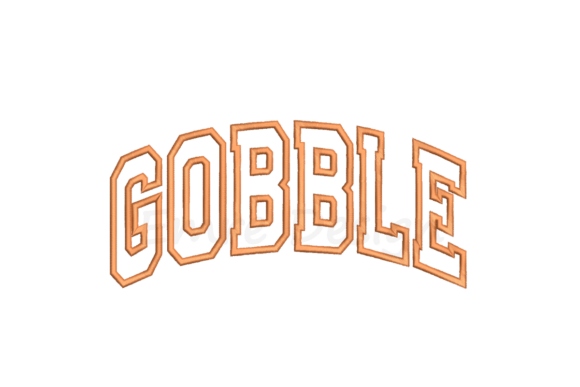
Gobble Applique Embroidery Design Review
As a professional embroidery designer who has spent years translating brand visions into tangible thread and fabric, I approach every new machine embroidery design with a critical eye. It is not enough for a file to look good on a screen; it must translate seamlessly into high-quality merchandise that withstands the rigors of daily wear and commercial production. Today, I am reviewing the Gobble Applique Embroidery Design, a festive asset categorized under Thanksgiving and designed to bring whimsy to various textile projects. While the product description promises to "spruce up your fabrics" with a fun touch, my goal here is to evaluate its viability for serious small business merch, branded patches, and custom apparel lines.
First Impressions: Visual Personality and Brand Fit
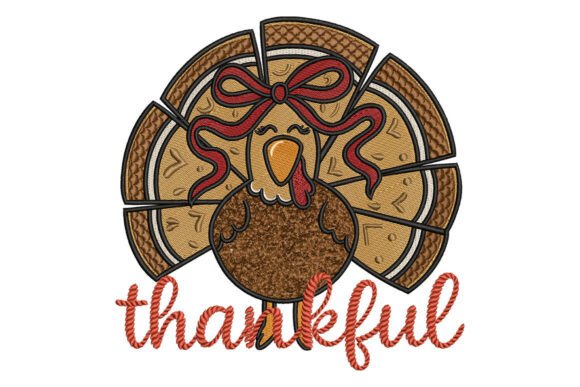
Upon opening the digital preview of the Gobble Applique Embroidery Design, the immediate impression is one of charm and approachability. The design leans heavily into a playful, rustic aesthetic that feels inherently handmade. For businesses operating in the boutique, bakery, or local café space, this visual language is often exactly what is needed to humanize a brand. Unlike stark corporate logos, this design suggests warmth and community, making it an excellent candidate for seasonal marketing campaigns or limited-edition holiday collections.
The applique style is particularly noteworthy. Applique work adds depth and texture, giving the finished product a premium feel that flat satin stitching often cannot achieve. However, the success of an applique design relies heavily on the precision of the cutwork and the stability of the layers. From a branding perspective, the Gobble Applique Embroidery Design offers a strong visual hook. It can serve as a memorable accent that differentiates a small business merch line from competitors using generic clip-art styles. Whether placed on a staff apron or a customer tote bag, the design communicates a brand identity that values tradition, celebration, and quality craftsmanship.
Commercial Applications: From Patches to Uniforms
When considering real-world business use, versatility is key. This embroidery file presents several opportunities for integration into a product catalog. One of the most effective uses would be as a standalone embroidered patch. Patches are cost-effective for scaling; you can produce them in bulk and then sew or iron them onto jackets, hats, or bags. The whimsical nature of the Gobble design makes it perfect for event merchandise, such as thank-you gifts for loyal customers or promotional items for a Thanksgiving pop-up shop.
For staff uniforms, specifically in the food service industry, this design could function beautifully as a chest logo accent or a sleeve detail on chef coats and aprons. Imagine a team of baristas wearing apron embroidery featuring this cheerful motif during the holiday rush; it instantly creates a cohesive, festive atmosphere that enhances the customer experience. Similarly, for a florist or gift shop, incorporating this design into tote bag design templates offers a practical way to distribute branded carry-alls that customers will actually want to use and display.
The design also holds potential for cap embroidery. A smaller version of the Gobble motif could sit proudly on the front panel of a trucker hat or a structured five-panel cap. This type of custom apparel is highly sought after by crafters and Etsy sellers looking to expand their inventory beyond simple print-on-demand items. By offering embroidered goods, you elevate the perceived value of your handmade product, justifying a higher price point and fostering deeper buyer engagement.
Critical Considerations for Production Success
While the aesthetic appeal is strong, experienced designers know that execution is where many projects fail. There are specific scenarios where the Gobble Applique Embroidery Design requires careful handling. First, consider the stitch density. Applique designs often involve multiple layers of fabric and dense tack-down stitches. If the design is too heavy, it can cause puckering on lighter fabrics like t-shirts or delicate towels. Always check the stitch density settings in your digitizing software before running a full production batch.
Size is another critical factor. The whimsical details that make this design charming may get lost if scaled down too aggressively. Attempting to use this as a tiny logo on a pen or a very small patch might result in a muddy appearance where individual threads blend together. For cap embroidery or small pocket accents, ensure there is sufficient spacing between elements to maintain clarity. Additionally, curved surfaces present a challenge; the rigid nature of applique pieces can sometimes resist conforming to the curve of a baseball cap unless the stabilizer and backing are chosen correctly.
Fabric texture plays a significant role as well. On highly textured fabrics like fleece or thick canvas, the clean edges of an applique design might struggle to lay flat. Conversely, on smooth, dark uniforms, the contrast provided by light-colored thread and fabric pieces will be striking, but you must ensure the backing does not show through. Frequent washing is a reality for commercial embroidery items like aprons and caps. The durability of the applique depends on the quality of the tack-down stitches; weak stitching can lead to fraying edges over time, damaging the professional image of your brand.
Strategic Designer Notes for Business Owners
To maximize the return on investment for this digital embroidery file, I recommend a strict testing protocol. Before committing to a large run, test the design in black and white first to evaluate the silhouette and structural integrity without the distraction of color. Check how the design performs at the intended patch size; if it looks crowded, you may need to simplify the outline or adjust the scale.
Review your thread colors carefully. The product description mentions bringing personality to items, which implies a need for vibrant contrast. Ensure your thread choices complement the fabric rather than clashing. Inspect the spacing within the design to prevent thread bunching, and confirm the hoop size required matches your machine's capabilities. Never skip the step of testing on the actual fabric you plan to use; cotton behaves differently than polyester blends, and the wrong stabilizer can ruin even the best design.
Finally, create a high-quality printable mockup for client approval or social media marketing. Visual consistency is vital for brand identity; showing potential customers exactly how the finished product will look builds trust and drives sales. Compare this design alongside your other design assets to ensure it fits your overall aesthetic. Most importantly, always confirm the commercial licensing terms before using any embroidery file for business. Ensure you have the right to sell items made with this design to avoid legal complications.
In conclusion, the Gobble Applique Embroidery Design is a robust tool for creative entrepreneurs looking to capitalize on the Thanksgiving season. With proper attention to technical details and strategic application, it can transform standard textiles into memorable brand experiences that resonate with customers and enhance your professional reputation.