Gingerbread Girl Machine Embroidery Review
As a designer who has spent years navigating the delicate balance between digital files and physical thread, I approach every new machine embroidery design with a critical eye. The holiday season brings a flood of festive assets, but finding one that translates well from screen to fabric is rare. Today, I am evaluating the Gingerbread Girl Machine Embroidery design to see if it holds up under real-world scrutiny for your craft business or personal projects.
First Impressions: Visual Weight and Holiday Charm
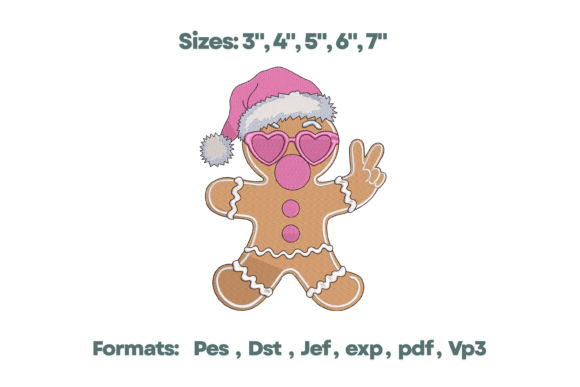
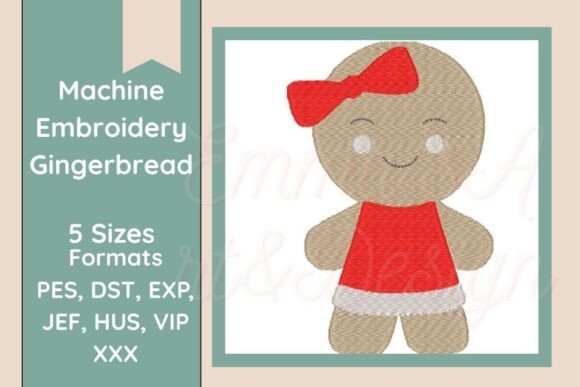
When I first loaded the embroidery file into my digitizing software, the immediate impression was one of whimsical warmth. This isn't just a generic cookie shape; the Gingerbread Girl Machine Embroidery features distinct facial expressions and clothing details that give it character. For a Christmas collection, this level of personality is crucial. It moves beyond a simple icon and becomes a focal point capable of elevating a basic item into a premium handmade product.
The layout feels balanced, avoiding the common pitfall of overcrowded details that often get lost in stitching. The proportions suggest it will work beautifully on a variety of surfaces, from the flat expanse of a pillow cover to the slightly curved surface of a tote bag. However, as we move from the digital preview to the practical application, several factors come into play regarding how this design performs on actual fabric.
Real-World Application: From Sweatshirts to Baby Clothes
Imagine you are preparing a batch of custom apparel for an upcoming Etsy sale. You decide to use the Gingerbread Girl Machine Embroidery on a cream-colored fleece sweatshirt. In this scenario, the design's potential shines. The contrast between the dark outlines of the gingerbread figure and the light background creates immediate visual pop. This is exactly the kind of custom apparel detail that drives customer engagement and justifies a higher price point.
I also envision this design working exceptionally well for baby embroidery. A personalized onesie or a soft hooded towel featuring this character would be a standout gift. The rounded shapes of the girl's face and limbs are forgiving, which is essential when embroidering on stretchy fabrics like jersey or cotton blends used for infants. Unlike sharp, angular designs that can pucker thin material, the organic curves here distribute tension more evenly, resulting in a smoother finished product.
For those running a craft business, consider using this asset for kitchen linens. An embroidered tea towel or apron with the Gingerbread Girl Machine Embroidery adds a touch of nostalgia that resonates deeply with buyers looking for holiday embroidery decor. The design feels at home in a cozy kitchen setting, making it a versatile choice for seasonal merchandise.
Navigating Fabric Challenges and Stitch Density
While the design is promising, experience tells us that not all fabrics behave the same way. If you plan to use this on textured fabrics like denim or heavy canvas, you must pay close attention to the stitch density. Areas with high fill stitch density can sometimes sink into the weave of thick materials, losing definition. Before committing to a full production run, I always recommend testing the digital embroidery file on a scrap piece of your intended fabric.
Dark fabrics present another challenge. While the design looks great on light backgrounds, placing it on navy blue or black requires careful consideration of thread colors. You may need to add a layer of white underlay or adjust the color palette to ensure the satin stitch borders remain visible. Without sufficient contrast, the intricate details of the girl's dress and accessories could blend into the background, diminishing the overall impact.
Furthermore, when working with curved surfaces like caps or hats, the hoop size becomes a limiting factor. Ensure your machine hoop can accommodate the design without distorting the shape. If the design is too large for a cap hoop, the stabilizer might not hold the fabric taut enough, leading to registration issues where the running stitch lines miss their target. Always check the dimensions against your specific hooping capabilities before starting.
Professional Execution: Stabilizers and Test Runs
To achieve a professional look that builds customer trust, the foundation is key. Using the correct stabilizer is non-negotiable. For items like tote bags or embroidered patches, a cut-away stabilizer provides the necessary support to prevent the design from shifting during the long stitching process. For lighter items like baby clothes, a tear-away or wash-away option might suffice, provided the fabric isn't overly stretchy.
I strongly advise creating a printable mockup in both black and white to evaluate the value of the design before spending thread. This helps you spot any areas where the stitch count might be too low, leaving gaps, or too high, causing puckering. Additionally, compare the design on different background colors digitally to see how the thread colors interact. Does the red of her bow stand out? Is the skin tone accurate?
Another critical step is reviewing the small details. Tiny elements, such as buttons or facial features, require precision. If the Gingerbread Girl Machine Embroidery includes very fine fill stitch areas, they might not render clearly on coarse fabrics. In such cases, simplifying the design or choosing a finer fabric weight ensures the final result remains crisp and professional.
Commercial Viability and Brand Consistency
For Etsy sellers and boutique owners, consistency is the backbone of a strong brand. The Gingerbread Girl Machine Embroidery offers a cohesive aesthetic that can tie together a range of products. Whether you are selling a matching set of napkins, a family of sweatshirts, or a collection of nursery decor, this design acts as a unifying element. It enhances brand consistency and makes your shop instantly recognizable during the busy holiday season.
However, before integrating this into your commercial lineup, verify the licensing terms. As a responsible maker, you must confirm whether the design assets allow for the sale of finished goods. Some licenses restrict the number of items you can sell or prohibit selling the digital embroidery file itself. Ensuring compliance protects your business and maintains ethical standards within the small shop product community.
In conclusion, the Gingerbread Girl Machine Embroidery is a robust addition to any designer's toolkit, provided it is applied with care. Its charm is undeniable, but its success depends on your execution. By testing on scrap fabric, choosing the right stabilizer, and considering the fabric texture, you can transform this digital file into a tangible treasure that customers will cherish. Whether for a personalized gift or a commercial embroidery project, this design has the potential to bring extra sweetness to your Christmas creations.