Feeling Frosty Embroidery Design Review
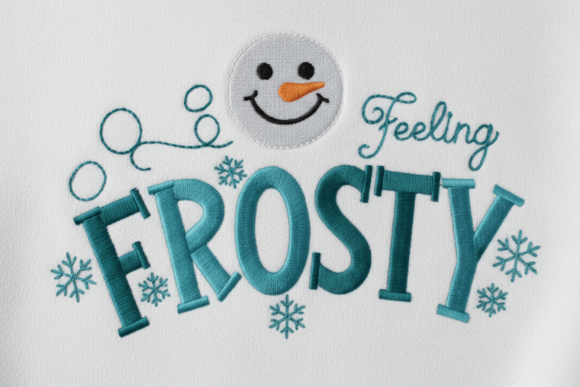
As a professional embroidery designer who has spent years translating digital files into tangible brand assets, I approach every new machine embroidery design with a critical eye. My focus is never just on whether a pattern looks cute; it is about how it performs under the rigors of commercial production. Today, I am reviewing the Feeling Frosty Embroidery Design. This digital embroidery file promises to help you get into the winter spirit with a cute snowman pattern suitable for cozy sweatshirts, hoodies, totes, and holiday projects. But does it hold up when we move from personal crafting to serious small business merch?
First Impressions: Visual Personality and Brand Fit
When I first load the Feeling Frosty Embroidery Design into my digitizing software, the immediate impression is one of playful warmth. The description highlights a "cute snowman," which suggests a friendly, approachable aesthetic rather than a stark or corporate look. For small business owners in sectors like bakeries, boutiques, florists, or pet brands, this visual personality is a significant asset. It screams "handmade" and "cozy," qualities that are essential for building trust and recognition in the local market.
However, brand identity is not just about being cute; it is about consistency. A design like this works exceptionally well as a seasonal accent. Imagine a local café adding this snowman motif to their staff aprons or placing it on the back of a tote bag design during the holiday rush. It adds a layer of seasonal engagement without overwhelming the primary logo. The design feels rustic yet polished, making it a versatile addition to your library of design assets. If your brand voice is warm, community-focused, and slightly whimsical, this embroidery file aligns perfectly with those values.
Performance in Real Business Scenarios
The true test of any commercial embroidery project lies in its application across various substrates. Based on the product description, the Feeling Frosty Embroidery Design is marketed for use on sweatshirts, hoodies, and totes. Let's break down how this translates to real-world production for apparel decorators and Etsy sellers.
- Embroidered Patches: One of the most cost-effective ways to utilize this design is by creating embroidered patches. You can embroider the snowman onto a sturdy backing fabric, cut it out, and sew it onto denim jackets, canvas bags, or even backpacks. This method allows you to produce inventory in bulk and apply it manually later, saving machine time on heavy garments.
- Staff Uniforms and Aprons: For a bakery or boutique, branding your team is crucial. Placing the Feeling Frosty Embroidery Design on the chest pocket of a work shirt or the bib of an apron creates a cohesive team look. Because the design is described as "cute," it softens the uniform, making your staff appear more welcoming to customers.
- Tote Bags and Holiday Projects: Totes are high-visibility items. A large-scale version of this snowman pattern on a canvas tote serves as a walking billboard for your shop. Since the design is intended for holiday projects, timing is key. Releasing these items in early November ensures you capture the pre-holiday shopping wave.
- Cap Embroidery: While the description mentions hoodies, caps are another prime location. However, cap embroidery requires careful attention to stitch density and placement. The curved surface of a baseball cap front can distort complex designs, so the simplicity of a snowman is actually an advantage here.
Critical Considerations for Production
While the Feeling Frosty Embroidery Design offers great potential, there are specific areas where caution is required to ensure a professional finished product. As a designer, I always advise my clients to avoid common pitfalls that can ruin a batch of custom apparel.
Stitch Density and Fabric Texture
Snowmen often feature rounded shapes and textured details like scarves or buttons. In machine embroidery, high stitch density can cause puckering, especially on knit fabrics like sweatshirts or hoodies. Before running a full production run, you must check the stitch density. If the design is too dense, it will pull the fabric, creating an unprofessional ripple effect. Always test on the actual fabric texture you intend to use. Heavy fleece may require a different stabilizer than a thin cotton tote bag.
Size Constraints and Detail Loss
Do not attempt to shrink this design too much for tiny applications. If you plan to use it as a small patch size or a sleeve detail, inspect the outlines carefully. Tiny lettering or intricate features on the snowman's face may disappear or become muddy if scaled down below a certain threshold. For cap fronts or small product labels, consider simplifying the design or using it only as a graphic element without text.
Color Contrast and Visibility
Thread colors play a massive role in visibility. On dark uniforms or black hoodies, white thread is standard for snowmen, but ensure the contrast is sharp enough. If the design includes pastel accents, they might get lost on dark backgrounds. Always review thread color options against your specific fabric swatches before purchasing bulk thread.
Practical Designer Notes for Small Business Owners
To maximize the value of the Feeling Frosty Embroidery Design, follow these practical steps before committing to a large order:
- Test in Black and White First: Run a test stitch-out using a single color (usually black) to verify the shape, spacing, and structural integrity of the design. This saves money on thread and time on hooping.
- Confirm Hoop Size: Ensure the design fits within your machine's hoop capabilities. If the snowman is large, you may need a 6x10 or larger hoop. Check the digital embroidery file specifications to confirm the maximum dimensions.
- Use Proper Stabilizer: Never skip the stabilizer. For stretchy knits like hoodies, a tear-away or cut-away stabilizer is essential to prevent distortion. For woven totes, a lightweight tear-away usually suffices.
- Create a Printable Mockup: Before selling or producing, create a printable mockup showing the design on your actual products. This helps with client approval and marketing on social media.
- Verify Commercial Licensing: This is non-negotiable. Confirm that your license for the Feeling Frosty Embroidery Design allows for commercial embroidery and resale of finished goods. Do not assume all free or low-cost files include commercial rights.
Impact on Brand Identity and Customer Engagement
Ultimately, the goal of using a design like Feeling Frosty Embroidery Design is to enhance your brand identity. When customers see a consistent, high-quality embroidered patch on a tote bag or a branded apron on a barista, it signals professionalism and care. It transforms a generic item into a handmade product with perceived higher value.
This design fosters buyer engagement by tapping into the seasonal emotion of winter. It invites customers to participate in the holiday spirit through your merchandise. Whether it is a gift for a loyal customer or a limited-edition item for your online store, the visual consistency of using a professionally designed embroidery file builds trust. It shows that your business pays attention to detail, from the stitching on the back of a cap to the quality of the thread used on a hoodie.
In conclusion, while the Feeling Frosty Embroidery Design is a delightful addition to your Sewing and Embroidery toolkit, its success depends on how thoughtfully you apply it. By respecting the technical limitations of stitch density and fabric texture, and by leveraging its friendly aesthetic for strategic branding, you can turn a simple snowman pattern into a powerful asset for your small business merch line. Test thoroughly, license correctly, and let the winter spirit shine through your custom apparel.